Ngorongoro Crater: Complete Guide to Africa's Natural Wonder
A collapsed supervolcano sheltering 25,000 animals in a 260 km² basin — Ngorongoro Crater is unlike anywhere else on Earth.
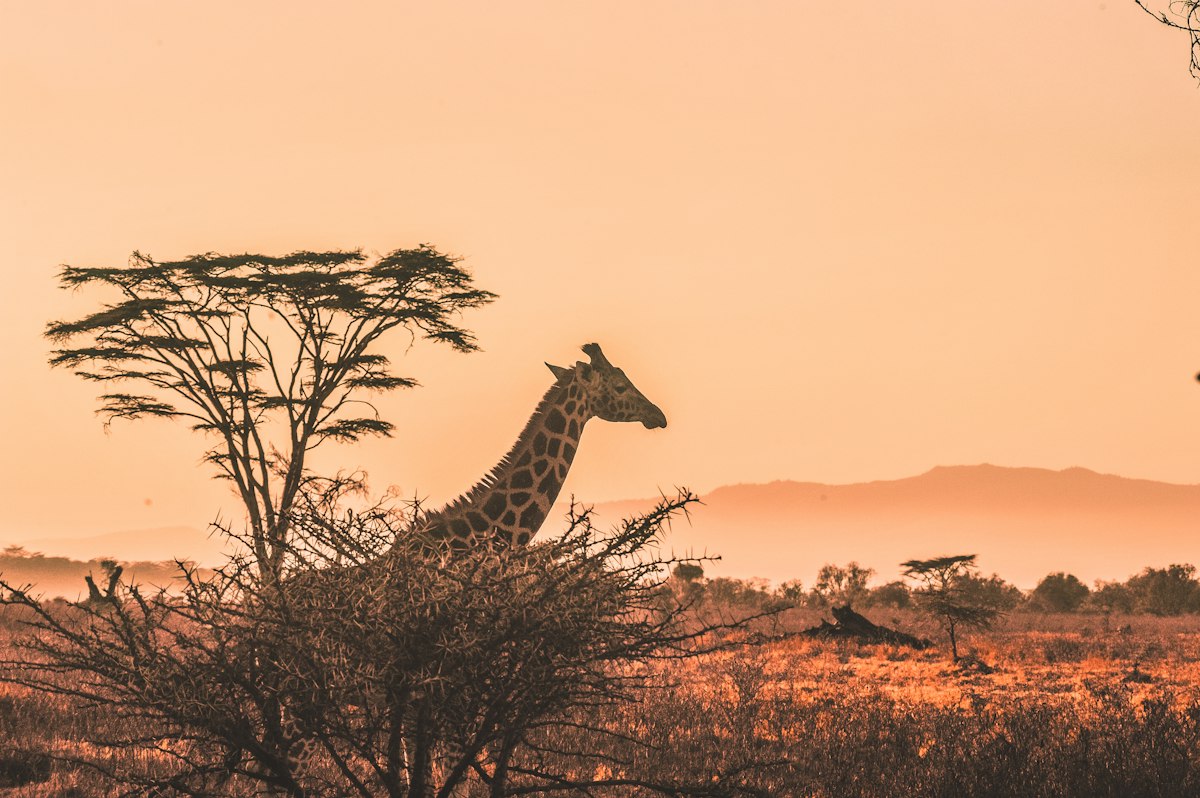
What is Ngorongoro Crater?
About 3 million years ago, a massive volcano in what is now northern Tanzania erupted and then collapsed inward, forming a caldera — an enclosed basin — roughly 260 square kilometres in area and 600 metres deep. Over millennia, this natural enclosure filled with wildlife. Today it holds one of the densest concentrations of animals on Earth.
Ngorongoro is sometimes called the "Eighth Wonder of the World" and it earns that title. Nowhere else can you see lions, elephants, hippos, flamingos, and critically endangered black rhino within the same morning's game drive.
Wildlife You'll See
- Lion — Around 60–70 lions call the crater home. Due to the enclosed environment, sightings are near-guaranteed.
- Elephant — Usually only older bulls descend into the crater (females and calves prefer the forested rim). These are some of the largest tuskers in Africa.
- Black Rhino — Critically endangered. About 20–25 rhino live in the crater — an extraordinary conservation success. Sightings aren't guaranteed but occur on most full-day crater visits.
- Hippo — The Ngoitokitok Spring hippo pool in the crater is home to a large, easily-observed pod.
- Hyena — The crater has one of the highest hyena densities anywhere. Clan politics and hunting is spectacular to watch.
- Flamingo — Lake Magadi in the crater floor hosts thousands of lesser flamingos, creating an incredible pink fringe.
- Cheetah, Leopard, Serval — Present but less commonly seen. The open plains make cheetah sightings memorable when they occur.
- Cape Buffalo — Enormous herds roam the crater floor, often accompanied by cattle egrets.
- Wildebeest and Zebra — Resident populations that don't migrate. The crater has its own mini-ecosystem independent of the Serengeti migration.
The Conservation Area: Beyond the Crater
The Ngorongoro Conservation Area (NCA) is much more than just the crater. It encompasses:
- The Crater Highlands — Dramatic high-altitude scenery. Olmoti and Empakaai craters can be hiked with a ranger.
- Oldupai Gorge (Olduvai) — One of the most important paleoanthropological sites on Earth. Human fossils and artefacts over 1.8 million years old discovered here. A small museum tells the story.
- Shifting Sands — A rare barchan dune of volcanic ash that moves 17 metres per year, shaped by prevailing winds.
- Maasai communities — The Maasai live alongside wildlife in the NCA by special arrangement. Cultural village visits can be arranged.
Fees and Logistics
Ngorongoro has a layered fee structure:
| Fee | Cost (USD) |
|---|---|
| Conservation Area entrance (per person/day) | $70 |
| Crater descent fee (per vehicle) | $295 |
| Camping fees (public) | $50/person/night |
| Camping fees (special, closer to crater) | $70/person/night |
The crater descent vehicle fee makes Ngorongoro expensive — budget for this in your safari cost. It's non-negotiable and worth every cent. Vehicles are required to exit the crater by 6pm.
Getting There
Ngorongoro is 3 hours drive from Arusha on a good tarmac road. It's almost always combined with Tarangire and/or Lake Manyara on a Northern Circuit safari. The drive up to the crater rim is spectacular in itself — through Maasai boma villages and highland forests.
Where to Stay
- On the crater rim (luxury): Ngorongoro Crater Lodge (the iconic &Beyond property — jaw-dropping views), The Highlands by Asilia
- Mid-range rim lodges: Ngorongoro Wildlife Lodge, Rhino Lodge, Serena Ngorongoro
- Public camping: Simba campsite on the rim — cold, wild, atmospheric, and $50/person/night
Tips for Visiting
- Arrive at the crater as early as possible — descend at 7am for the best light and before the mid-morning rush
- Bring warm layers — the rim sits at 2,200–2,500m and mornings are cold (10–15°C)
- A full day in the crater (6–7 hours) is ideal — half-day visits feel rushed given the entrance fees
- Don't exit your vehicle inside the crater (it's not permitted). The only exception is at designated picnic areas
- Rhino sightings: ask your guide to focus time in the southwestern crater area — that's the rhino territory
Ngorongoro is a must on any Tanzania itinerary. Start planning your Northern Circuit trip now.
Ready to Plan Your Tanzania Trip?
Let our AI build a personalised day-by-day itinerary for you — in under 60 seconds.
Generate My Itinerary →