Great Migration Guide: When & Where to Witness It
Over 1.5 million wildebeest in a 3,000 km loop across the Serengeti and Masai Mara — the greatest wildlife spectacle on Earth. Here's how to see it.
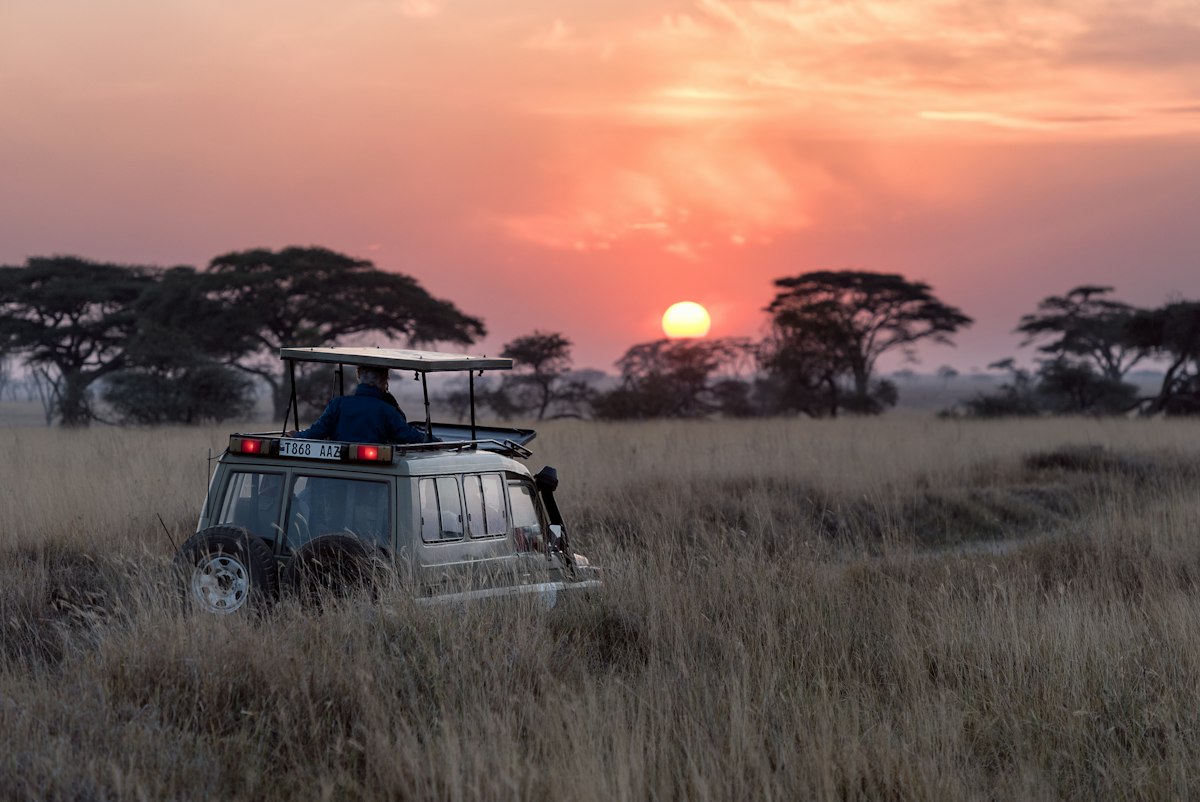
What is the Great Migration?
The Great Wildebeest Migration is the largest overland animal movement on Earth — approximately 1.5 million wildebeest, 400,000 zebra, and 200,000 gazelle moving in a continuous circular loop across Tanzania's Serengeti and Kenya's Masai Mara. It's driven entirely by rainfall and grass growth. The herd follows the rains, always seeking fresh grazing.
It's not a migration with a start and end point — it's a perpetual circle. No matter when you visit, the herd is somewhere in the ecosystem. The key is knowing where they'll be when you're there.
The Annual Migration Cycle
December–February: Calving Season (Southern Serengeti)
Location: Ndutu area, southern Serengeti / Ngorongoro Conservation Area border
The short rains bring the herd south to the nutrient-rich short grass plains. From late January through February, over 8,000 calves are born every day for roughly 3 weeks. It sounds apocalyptic and it is — in the best way. Lions, cheetah, and hyena gorge themselves. The energy is electric. Some of the most dramatic predator-prey interactions of the year happen now.
March–May: Moving North (Central Serengeti)
Location: Central and Western Serengeti
The long rains begin and the herd starts moving. They scatter across the central Serengeti. This is the "low season" — many camps close, roads get muddy, but the landscape is strikingly beautiful. Bird watching peaks.
June–July: Grumeti River Crossings
Location: Western Serengeti, Grumeti River
The first major river crossing of the year. The Grumeti River hosts enormous Nile crocodiles — some of the largest in Africa — that have been waiting months for this moment. The crossings here are less famous than the Mara River but equally dramatic. Western Serengeti camps like Nomad's Grumeti River Camp offer front-row seats.
July–September: Mara River Crossings (Peak Season)
Location: Northern Serengeti, Mara River
This is what everyone comes for. The wildebeest amass in their thousands on the south bank of the Mara River, smelling the fresh grass on the other side — and the crocodiles lurking below. The mental battle between fear and hunger plays out over hours before the first animal leaps in, triggering a chaotic, terrifying, magnificent stampede.
No one controls the crossings — they happen on the herd's schedule. You might wait 2 hours and see nothing, or you might arrive and witness a crossing immediately. This unpredictability is part of what makes it so extraordinary.
Best camps for Mara crossings: Sayari Camp, Ubuntu Migration Camp, Lamai Serengeti, Asilia's Namiri Plains (best for cheetah)
October–November: Returning South
Location: Northern → Central Serengeti
The rains return to the south and the herd begins the return journey. Smaller river crossings continue into October. By November they're back in the central Serengeti, heading for the southern plains.
Where to Stay for the Best Migration Viewing
| Period | Area | Top Camp Option |
|---|---|---|
| Jan–Feb | Ndutu / Southern Serengeti | Ndutu Safari Lodge, &Beyond Ngorongoro Crater Lodge |
| Jun–Jul | Western Serengeti | Nomad Grumeti River Camp, Singita Mara River Camp |
| Jul–Sep | Northern Serengeti | Sayari Camp, Lamai Serengeti, Ubuntu Camp |
| Oct–Nov | Northern / Central | Any central Serengeti camp |
Practical Tips
- Book north Serengeti camps 9–12 months in advance for July–September. The best properties sell out completely.
- Stay at least 3 nights in any area to maximise crossing chances. One night is never enough.
- Don't choose dates based solely on the migration. The entire Serengeti is extraordinary year-round. The migration makes great game viewing even better.
- Balloon safaris (from $600) offer a spectacular early morning aerial view of the plains and, during migration, the herds from above.
- The crossing is unpredictable. Your guide won't know when or where until it's happening. Trust the process.
See where the migration will be on your dates with our Great Migration Calendar, or plan your full trip now.
Ready to Plan Your Tanzania Trip?
Let our AI build a personalised day-by-day itinerary for you — in under 60 seconds.
Generate My Itinerary →