Climbing Kilimanjaro: Routes, Costs & What to Expect (2026)
Kilimanjaro is the world's most accessible high-altitude peak — but that doesn't make it easy. Here's everything you need to know before you climb.
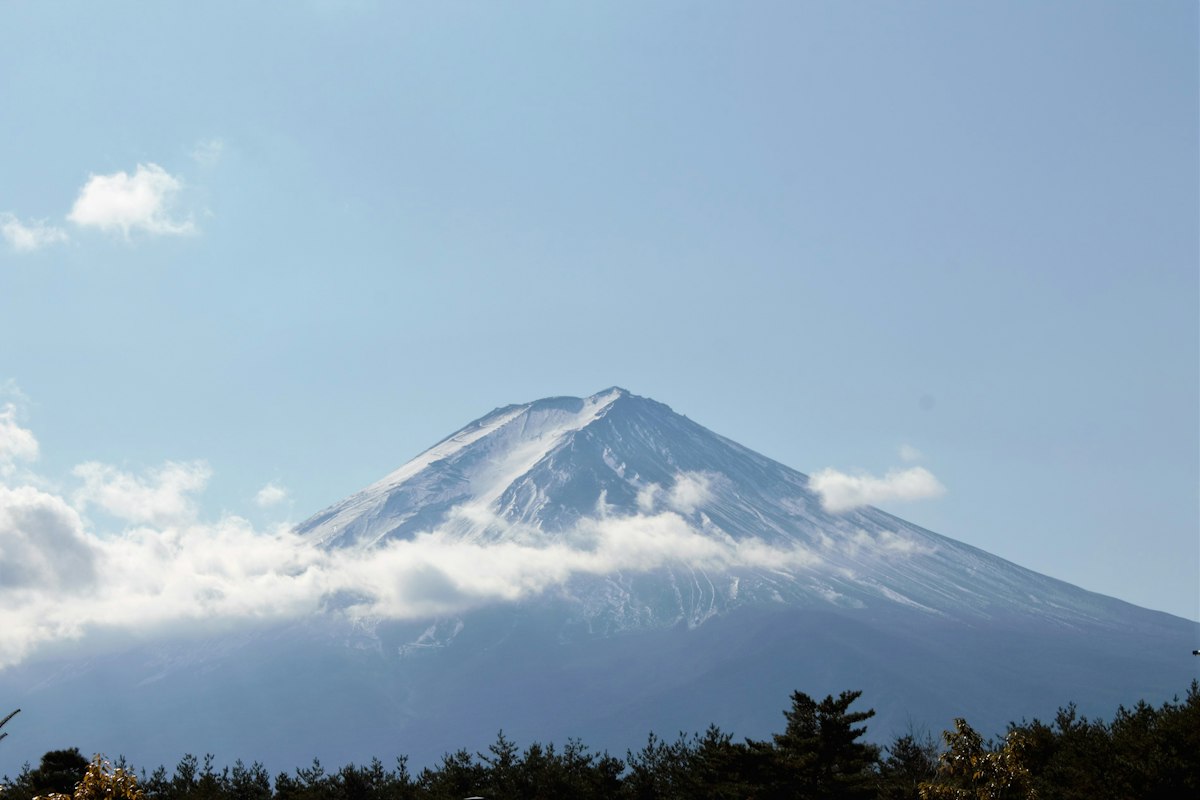
Why Climb Kilimanjaro?
At 5,895 metres, Mount Kilimanjaro is Africa's highest peak and the world's tallest free-standing mountain. Unlike most high-altitude mountains, you don't need technical climbing skills — no ropes, no crampons, no ice axes. What you do need is preparation, patience, and the willingness to walk slowly. Very slowly.
Each year around 50,000 climbers attempt Kilimanjaro. About 65–85% reach Uhuru Peak (the summit) — success rates vary dramatically by route chosen and number of days allotted. Rushing is the single biggest reason people fail.
The 7 Kilimanjaro Routes
1. Marangu Route — "The Coca-Cola Route"
Duration: 5–6 days | Difficulty: ★★★☆☆ | Success rate: ~53%
The most popular route and the only one with hut accommodation. Also the lowest success rate due to insufficient acclimatisation days. The "easiest" route is a myth — it's just the most crowded. Recommended only for very experienced high-altitude trekkers on 6-day itinerary.
2. Machame Route — "The Whiskey Route"
Duration: 6–7 days | Difficulty: ★★★★☆ | Success rate: ~85%
The most popular route for good reason. Scenic, varied terrain through rainforest, moorland, and alpine desert. The "high camp, sleep low" acclimatisation profile is excellent. 7 days is strongly recommended over 6. This is our top recommendation for most climbers.
3. Lemosho Route
Duration: 7–8 days | Difficulty: ★★★★☆ | Success rate: ~90%
The best overall route. Longer approach from the western side means more acclimatisation time, stunning scenery, and fewer crowds in the early days. More expensive than Machame but worth it for the experience and higher success rate.
4. Rongai Route
Duration: 6–7 days | Difficulty: ★★★☆☆ | Success rate: ~80%
The only route from the northern side. Driest and least crowded. Good for the December–March period when southern routes get more rain. Beautiful wilderness feel.
5. Northern Circuit
Duration: 9–10 days | Difficulty: ★★★★☆ | Success rate: ~95%
The longest and most expensive route. Circumnavigates the mountain almost entirely. Outstanding acclimatisation and very few crowds. Best success rate on the mountain. For those who want the full Kilimanjaro experience.
6. Umbwe Route
Duration: 5–6 days | Difficulty: ★★★★★ | Success rate: ~60%
Steep, direct, and challenging. Very fast ascent leaves insufficient time for acclimatisation. Only for very experienced trekkers and fast acclimatisers. Not recommended for most climbers.
7. Shira Route
Duration: 7–8 days | Difficulty: ★★★★☆ | Success rate: ~85%
Joins Lemosho partway up. Less commonly done nowadays as Lemosho has overtaken it. Similar experience and success rates.
Kilimanjaro Costs in 2026
| Item | Cost (USD) |
|---|---|
| Park / conservation fees (6 days) | ~$780 pp |
| Crew (guides, porters, cooks) | included in operator fee |
| Budget operators (camping) | $1,500–$2,200 total |
| Mid-range operators | $2,500–$3,500 total |
| Premium operators | $4,000–$6,000+ total |
| Crew tips (expected) | $250–$400 |
| Gear rental (full kit, if needed) | $100–$200 |
Physical Preparation
Kilimanjaro is a long walk at altitude, not a technical climb. The biggest challenge is altitude sickness (AMS — Acute Mountain Sickness), not fitness. Here's how to prepare:
- Start training 3–6 months out — focus on hiking with a loaded pack (10–15 kg) over long distances (15–25 km) and with significant elevation gain
- Do a high-altitude pre-trip if possible — even a trip to 3,000–4,000m helps your body understand altitude response
- Cardiovascular fitness is key — consistent cardio (running, cycling, stair trainer) for 4+ months
- Diamox (acetazolamide) — a prescription medication that aids acclimatisation. Discuss with your doctor before the trip
What Summit Night is Really Like
You'll wake at midnight or 1am. It's cold — between -10°C and -20°C at the summit. You'll layer up in everything you have and start walking in the dark. The trail is steep, dusty, and relentless. Everyone goes at least 30% slower than they think they should.
Around Stella Point (5,739m), many climbers feel nauseous, dizzy, or simply exhausted. It's 45 minutes more to Uhuru Peak from there. Most who reach Stella make it to the top. Take it one step at a time. The sunrise over the glaciers and clouds below — that moment — is indescribable.
Pole pole — Swahili for "slowly, slowly" — is the Kilimanjaro mantra. Live it.
Key Tips
- Always choose 7+ day routes — each extra day dramatically increases your summit odds
- Hire a reputable operator — your guide's experience matters enormously at altitude
- Carry a good sleeping bag rated to -15°C minimum
- Trekking poles are essential — they reduce knee strain on descent and help rhythm going up
- Hydrate aggressively — 3–4 litres of water per day on the mountain
- Don't ignore symptoms of altitude sickness — headache, nausea, and dizziness are warnings. Descend if symptoms worsen
- Porter welfare matters — only use operators who pay fair wages and provide porters with proper gear
Planning a Kili climb alongside your Tanzania safari? Our AI planner can combine both into a seamless itinerary.
Ready to Plan Your Tanzania Trip?
Let our AI build a personalised day-by-day itinerary for you — in under 60 seconds.
Generate My Itinerary →